Blueprints Into Bargains: Apartment Makeovers That Actually Happen

Today we explore Blueprint-to-Budget Apartment Makeovers, turning meticulous plans into affordable, renter-friendly transformations that respect real constraints. You will learn to read layouts like a strategist, prioritize for impact, and source clever materials, so every dollar supports comfort, style, and durability. Expect practical checklists, stories from tight spaces, and prompts to share your ideas, wins, and questions with our community for ongoing encouragement and smarter decisions.

Reading the Space: From Blueprint Clues to Smart Moves

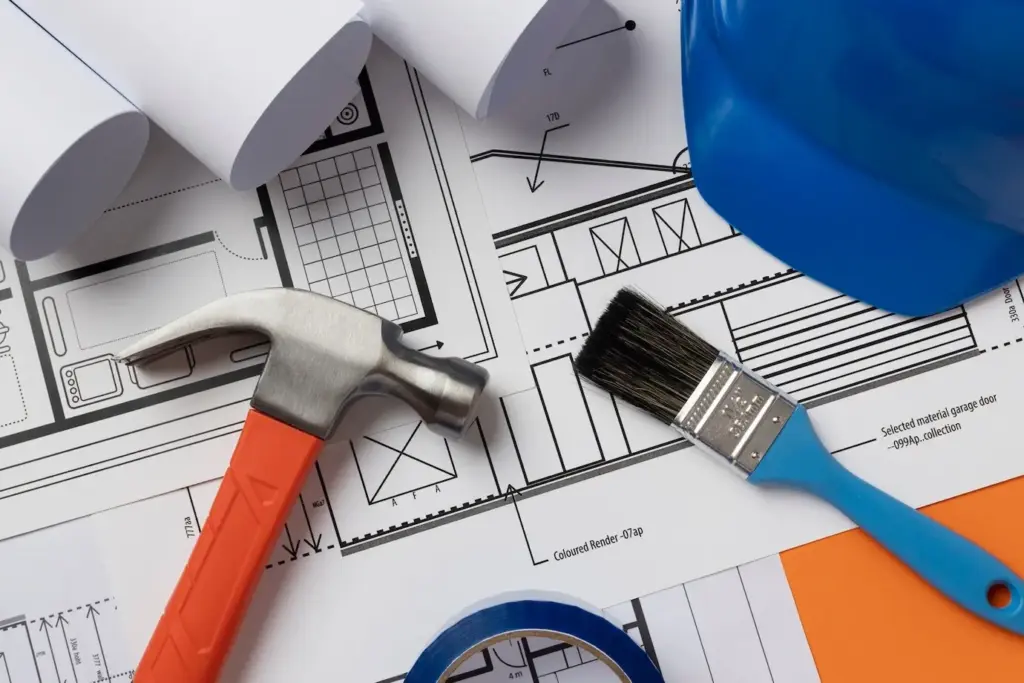
Before shopping or sanding, learn the story your apartment already tells. Scales on a floor plan reveal furniture clearances, circulation paths, and natural light priorities. Spot structural columns, plumbing stacks, and radiator lines so you spend wisely on changes that matter. One reader, Aria, saved two weekends by noticing a door swing conflict early, avoiding a mismatched sofa and a return hassle. Your first win begins with a tape measure, a sketch, and calm observation.

Setting Priorities That Protect Your Wallet

Great makeovers start with patient sequencing. Decide what truly moves the needle and shelve what only photographs well. Build a simple scorecard that weighs daily function, longevity, maintenance, and resale or move-out considerations. A durable entry mat, brighter bulbs, and a better shower head might outshine pricey art in lived experience. Share your top three priorities with a friend or our community; outside eyes often spot hidden tradeoffs and unnecessary splurges.

Impact vs. Effort Matrix

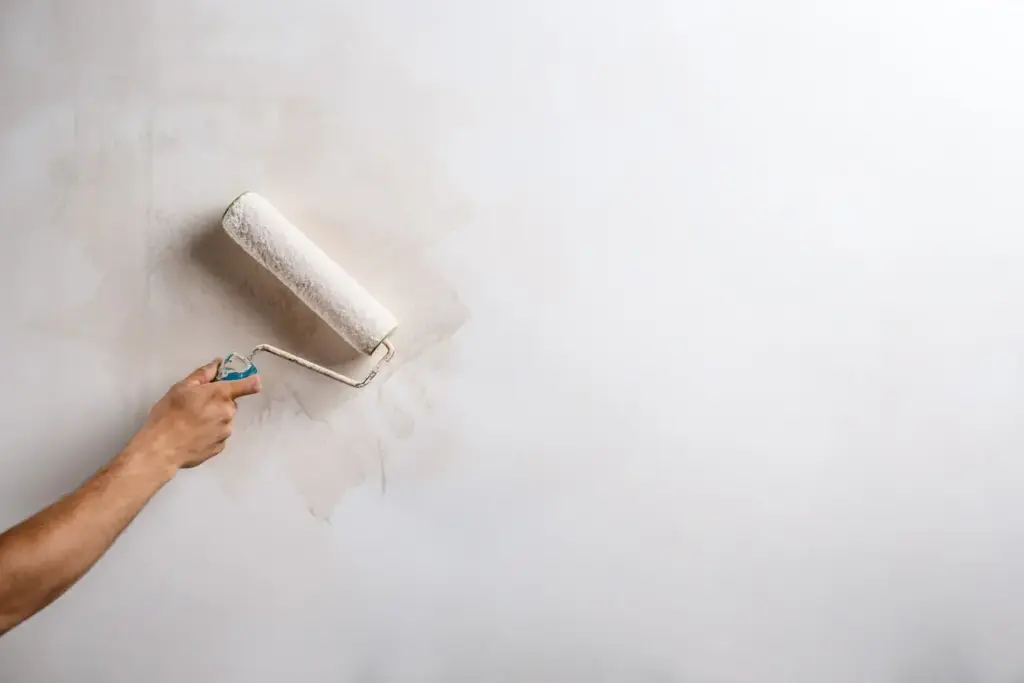
Sketch a four-square grid and sort tasks by visual payoff and required effort. Painting a single accent wall may deliver high impact for low effort, while relocating cabinets might be high effort with uncertain returns. Tasha used this matrix to pick peel-and-stick backsplash over tile, gaining sparkle within hours. When choices feel overwhelming, the matrix calms decisions, clarifies order, and helps you embrace good-enough upgrades that still feel special every morning.

Phasing for Cash Flow

Break the project into manageable sprints aligned with paychecks and energy levels. Phase one might be lighting and decluttering, phase two paint and textiles, phase three storage and art. After each sprint, pause to assess comfort and costs before committing further. This pacing prevents debt, spreads learning across attempts, and keeps motivation high. Post your sprint plan for feedback; outside accountability gently nudges progress and protects your budget from sudden detours.

Materials That Look Luxe, Cost Less

You do not need marble to communicate care. Durable laminates, engineered wood, sturdy cottons, and quality spray paints transform surfaces for a fraction of bespoke prices. Prioritize touchpoints—handles, faucets, bedding—where daily contact elevates perceived quality. When Ezra swapped builder knobs for solid-metal pulls and upgraded towels, guests assumed a full renovation. Verify maintenance requirements and warranty coverage before buying, and keep samples under different lights to prevent color surprises at home.

DIY Without the Disaster

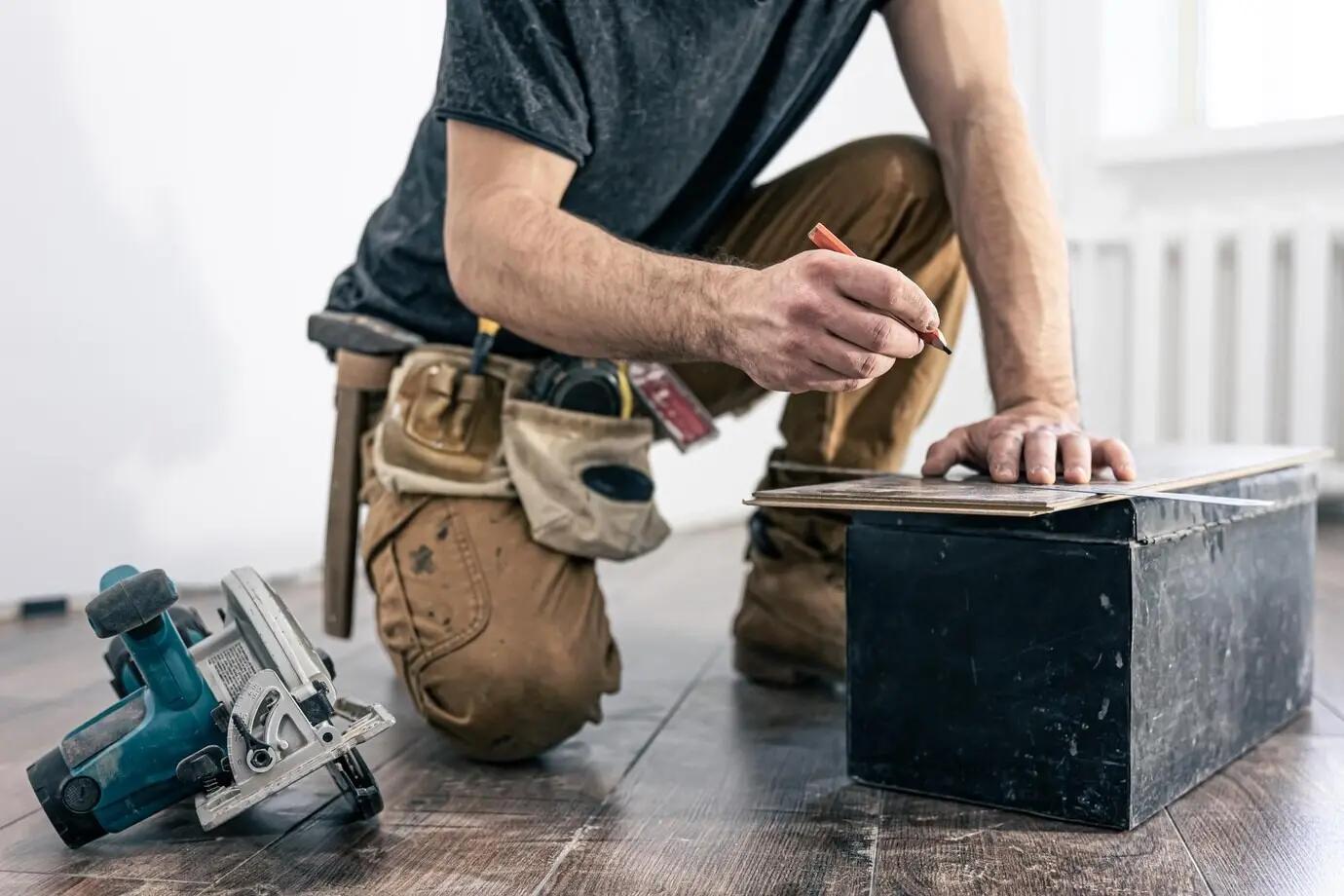
Selective DIY keeps costs low while protecting safety and finish quality. Choose tasks that match your tools and time, outsource anything involving complex wiring or structural elements, and document steps with photos for smoother reversals. When Priya labeled every hinge before painting cabinet doors, reassembly was painless. Practice on scrap boards, watch two tutorials from different creators, and stage a mini-mockup first. You are building skills, not chasing perfection on the first try.

Skill Mapping and Micro-Learning

Write a short list of tasks you can already do, tasks you can learn quickly, and tasks to delegate. Start with a one-hour micro-project, like swapping a shower head or installing a dimmer-rated smart plug. Each success compounds confidence. Keep a small journal with steps, pitfalls, and costs; it becomes your personalized manual. Celebrate small wins in our comments, and borrow techniques from others who faced the same quirky corners or stubborn finishes.

Tool Kits That Earn Their Keep

A compact set—stud finder, multi-bit screwdriver, level, utility knife, painters’ tape, and sandpaper—handles eighty percent of apartment projects. Add a cordless drill when ready and store accessories in labeled pouches. Borrow specialty tools from neighbors or libraries to avoid one-time purchases. After Ana adopted a tool caddy, setup friction vanished, and weekend progress doubled. Tools you can actually find are more valuable than fancy gear buried behind winter coats and forgotten luggage.

Safety, Permits, and Peace of Mind

Respect building rules, check lease clauses, and consult professionals when in doubt. Use proper anchors for wall types, mask vents when sanding, and ventilate during painting. Photograph conditions before starting for deposit protection. Malik once documented a cracked tile before move-in, preventing blame months later. Safety gear—gloves, goggles, masks—is cheaper than medical bills. A calm, compliant approach turns projects into gratifying rituals instead of emergencies, and keeps neighbors friendly when drills finally stop.

Color, Light, and Visual Tricks

Strategic paint and lighting deliver outsize transformation. Light, desaturated hues expand space, while deeper tones can frame cozy corners. Layer ambient, task, and accent lights to flatten shadows and guide attention. Mirrors opposite windows bounce daylight and create gentle drama. When Devon raised curtain rods closer to the ceiling, the room suddenly felt taller. Share your before-and-after angles; seeing progress from the same viewpoint reinforces learning and reveals which tricks deserve repeating elsewhere.

Renter-Friendly, Reversible Transformations

Respecting leases does not mean sacrificing personality. Use removable adhesives, tension rods, and modular furniture to build systems that travel with you. Prioritize upgrades that install in minutes and uninstall even faster, leaving walls clean and security deposits intact. When Noor added adhesive hooks inside cabinet doors, cooking tools finally lived within reach. Document everything before and after. Share your reversible successes so others can adapt ideas to strict buildings and unpredictable maintenance schedules.
Fozipotofitexaze
Privacy Overview

This website uses cookies so that we can provide you with the best user experience possible. Cookie information is stored in your browser and performs functions such as recognising you when you return to our website and helping our team to understand which sections of the website you find most interesting and useful.